
Assistant Engineer – Field Maintenance Jobs 2026 in Karachi | Complete Career Guide
Introduction
Engineering careers in Pakistan’s energy and utility sectors continue to attract thousands of graduates every year due to their technical growth opportunities, stable work environments, and long-term career potential. Among the latest opportunities announced in 2026, the Assistant Engineer – Field Maintenance Job in Karachi has gained attention from candidates with Mechanical, Electrical, Petroleum, and Mechatronics engineering backgrounds.
Many engineering graduates struggle to understand the actual responsibilities, required qualifications, work environment, and career growth opportunities associated with field maintenance positions in the oil and gas sector. This confusion often leads to incomplete applications, poor interview preparation, or unrealistic expectations about the role.
This detailed guide explains everything applicants need to know about the Assistant Engineer – Field Maintenance Job 2026, including eligibility criteria, responsibilities, required skills, application tips, technical expectations, and career prospects in the energy sector. The article is written in a professional, easy-to-understand format while following Google Search SEO, Google Discover optimization, AdSense compliance, and helpful content guidelines.
Whether you are a fresh engineering graduate or an early-career professional looking to enter Pakistan’s oil and gas industry, this guide will help you understand the role and prepare effectively for the opportunity.
Overview of Assistant Engineer – Field Maintenance Job 2026
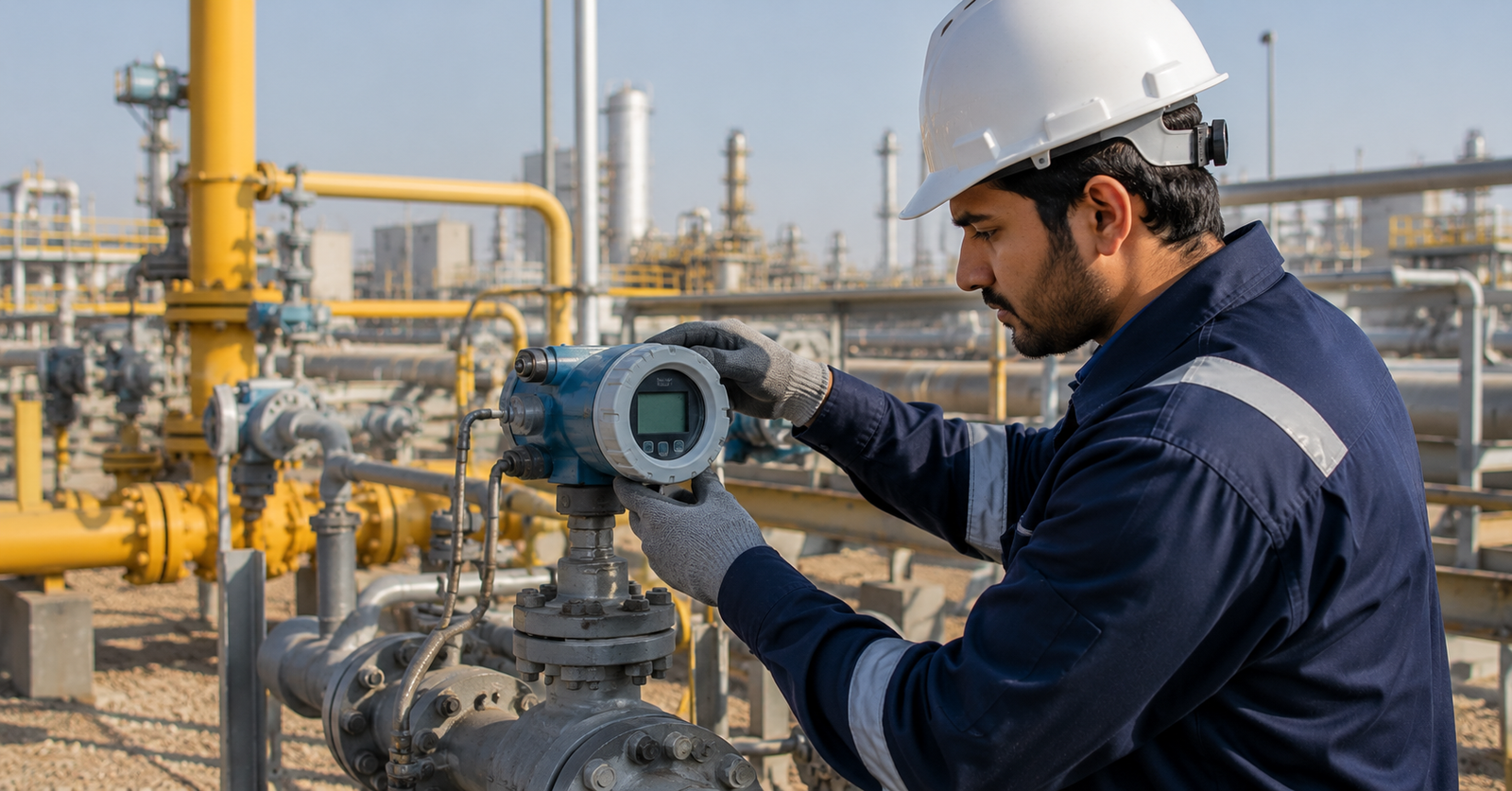
The Assistant Engineer – Field Maintenance Job 2026 in Karachi is a technical field-based engineering role focused on maintenance, monitoring, calibration, and inspection of gas measurement systems installed at industrial and commercial facilities.
The position is designed for engineering graduates who have at least one year of professional experience, preferably in the oil and gas sector. Candidates with Mechanical, Electrical, Petroleum, or Mechatronics engineering backgrounds are considered suitable for this opportunity.
The primary purpose of this role is to ensure the smooth execution of maintenance activities related to gas metering devices, pressure systems, and temperature monitoring equipment. These systems are essential for accurate gas measurement and safe distribution operations in industrial and high-pressure commercial environments.
Because gas distribution systems directly impact operational safety and customer reliability, the role requires both technical expertise and strong field coordination abilities.
Key Job Highlights
Job Code
8562-08
Job Title
Assistant Engineer – Field Maintenance
Location
Karachi
Deadline
May 18, 2026
Preferred Engineering Disciplines
- Mechanical Engineering
- Electrical Engineering
- Petroleum Engineering
- Mechatronics Engineering
Experience Requirement
At least 1 year of experience, preferably in the Oil & Gas sector.
Work Nature
- Technical field operations
- Meter inspection and calibration
- Maintenance supervision
- Customer coordination
- Complaint resolution
- Data monitoring and analysis
This opportunity is suitable for engineering professionals interested in industrial operations and field engineering responsibilities.
Qualification and Experience Requirements
Educational Background
Applicants are expected to hold an engineering degree from a recognized institution. The employer prefers candidates with qualifications related to:
- Mechanical Engineering
- Electrical Engineering
- Petroleum Engineering
- Mechatronics Engineering
Engineering education provides the technical foundation required to understand gas systems, pressure measurement, calibration procedures, and industrial equipment maintenance.
Professional Experience
The role requires at least one year of relevant experience. Candidates with prior exposure to:
- Oil & Gas operations
- Industrial maintenance
- Field engineering
- Meter calibration systems
- Distribution maintenance
may have a stronger advantage during recruitment.
Additional Preferred Skills
Besides formal education and experience, employers often look for:
- Technical problem-solving ability
- Communication skills
- Field coordination experience
- Data analysis understanding
- Safety compliance awareness
Engineering roles in the energy sector require both technical competence and operational discipline.
Detailed Job Responsibilities
The Assistant Engineer – Field Maintenance role involves several technical and operational duties.
Supervision of Meter Maintenance Activities
The engineer supervises field maintenance work to ensure that rotary, diaphragm, and TOC meters accurately measure gas flow and pressure.
This includes inspecting equipment performance and ensuring operational reliability.
Calibration and Testing Procedures
One of the critical responsibilities is conducting testing and calibration according to:
- ISO standards
- OGRA guidelines
- Company-approved maintenance procedures
Proper calibration ensures accurate billing, safety, and operational efficiency.
Data Collection and Monitoring
The engineer gathers and downloads operational data such as:
- Gas flow rates
- Pressure readings
- Consumption levels
- Temperature measurements
Analyzing this data helps identify abnormal conditions and maintenance requirements.
Customer Meter Station Inspections
Regular inspections of Customer Meter Stations (CMS) and Town Border Stations (TBS) are part of the maintenance schedule.
Field visits ensure timely detection of leaks, pressure issues, or equipment faults.
Complaint Resolution
The role requires responding to:
- High-pressure complaints
- Low-pressure complaints
- Gas leakage reports
Prompt response is essential for operational safety and customer satisfaction.
Coordination With Field Teams
Assistant engineers oversee field technicians and ensure maintenance activities are conducted according to approved Standard Operating Procedures (SOPs).
Strong teamwork and communication are essential for effective field operations.
Understanding Customer Meter Stations (CMS) and TBS
What Is a Customer Meter Station (CMS)?
A Customer Meter Station is a system installed at industrial or commercial customer sites to measure gas consumption accurately.
These stations include:
- Flow meters
- Pressure regulators
- Temperature sensors
- Data logging systems
Accurate measurement is critical for both operational management and billing purposes.
What Is a Town Border Station (TBS)?
Town Border Stations regulate and distribute gas supply between transmission systems and local distribution networks.
These stations help maintain:
- Pressure stability
- Gas flow regulation
- System safety
Assistant engineers working in field maintenance often interact with both CMS and TBS infrastructure.
Required Technical Skills
Engineering field maintenance positions require specialized technical abilities.
Instrumentation Knowledge
Candidates should understand:
- Gas meters
- Pressure sensors
- Flow measurement systems
- Calibration instruments
Troubleshooting Skills
The ability to identify and solve operational problems quickly is highly valuable.
Safety Awareness
Oil and gas environments require strict adherence to safety procedures and risk management protocols.
Data Analysis Capability
Monitoring operational data helps engineers identify trends, anomalies, and maintenance needs.
Technical Reporting
Assistant engineers may assist in preparing reports related to:
- Data exceptions
- Consumption analysis
- Maintenance records
- Complaint investigations
Professional documentation supports operational transparency and management decisions.
Importance of Field Maintenance in Oil & Gas Sector
Field maintenance is one of the most important operational functions in the oil and gas industry.
Operational Reliability
Regular maintenance prevents equipment failures and service disruptions.
Accurate Gas Measurement
Properly functioning meters ensure fair billing and operational efficiency.
Safety Management
Gas systems require constant monitoring to reduce leakage risks and prevent hazardous situations.
Customer Satisfaction
Timely complaint resolution improves service quality for industrial and commercial customers.
Regulatory Compliance
Oil and gas companies must comply with regulatory standards and operational procedures established by authorities such as OGRA.
This makes field maintenance engineering a highly responsible and technically demanding profession.
Career Growth Opportunities
Field maintenance engineering roles can lead to long-term technical and managerial career growth.
Possible Career Progression
Candidates may advance toward positions such as:
- Senior Maintenance Engineer
- Operations Engineer
- Distribution Engineer
- Instrumentation Specialist
- Maintenance Supervisor
- Regional Operations Manager
Professional Development
Energy companies often provide internal technical training related to:
- Industrial safety
- Instrument calibration
- ISO compliance
- Gas distribution systems
- Risk management
Continuous learning is essential for career advancement in engineering sectors.
Step-by-Step Application Guide
Step 1: Review Eligibility Carefully
Ensure that your degree and experience match the job requirements before applying.
Step 2: Prepare a Professional Resume
Your CV should clearly mention:
- Engineering qualification
- Relevant work experience
- Technical skills
- Certifications
- Contact details
Step 3: Verify Resume Accuracy
The job notice clearly states that any inconsistency between the portal information and the resume may result in disqualification.
Always provide accurate information.
Step 4: Submit Application Before Deadline
The deadline for this position is May 18, 2026. Late submissions may not be considered.
Step 5: Prepare for Technical Interviews
Shortlisted candidates may face technical and HR interviews related to field engineering and maintenance systems.
Interview Preparation Tips
Study Basic Oil & Gas Concepts
Understand:
- Gas distribution systems
- Metering equipment
- Calibration methods
- Industrial maintenance principles
Review Safety Standards
Knowledge of industrial safety practices is highly valuable during interviews.
Practice Technical Questions
Candidates may be asked about:
- Pressure systems
- Gas leakage handling
- Meter troubleshooting
- Maintenance scheduling
Improve Communication Skills
Field engineers coordinate with teams, customers, and supervisors regularly.
Professional communication is important.
Research Industry Regulations
Basic understanding of OGRA regulations and industrial compliance standards may provide an advantage.
Common Mistakes Applicants Make
Providing Incorrect Information
Mismatch between application data and CV details can lead to immediate rejection.
Ignoring Technical Preparation
Engineering interviews often include technical assessments that require preparation.
Poor Resume Formatting
Unclear or unprofessional resumes reduce credibility.
Missing Deadlines
Late applications may not be accepted.
Weak Understanding of Safety Protocols
Safety awareness is essential in oil and gas engineering roles.
Avoiding these mistakes can significantly improve recruitment chances.
Expert Advice for Engineering Candidates
Focus on Practical Knowledge
Hands-on understanding of industrial systems is often more valuable than theoretical memorization alone.
Learn About Calibration Systems
Meter calibration and instrumentation knowledge are important for maintenance engineering roles.
Strengthen Technical Communication
Field engineers frequently prepare reports and coordinate with teams.
Stay Updated With Industry Technology
Modern oil and gas operations increasingly use digital monitoring and automated systems.
Build Problem-Solving Skills
Quick and accurate troubleshooting is one of the most valued engineering abilities in field maintenance operations.
Also Read: ASSISTANT SUB-INSPECTOR OF POLICE FOR TRAFFIC WARDEN SYSTEM 2026 – Eligibility, Physical Test & KPPSC Guide
FAQs
1. What is the main responsibility of an Assistant Engineer – Field Maintenance?
The role focuses on supervising and conducting maintenance activities related to gas measurement systems and industrial metering stations.
2. Which engineering disciplines are preferred?
Mechanical, Electrical, Petroleum, and Mechatronics engineering graduates are preferred.
3. Is oil and gas experience mandatory?
The employer prefers candidates with oil and gas sector experience, but relevant maintenance experience may also be helpful.
4. What technical skills are important for this role?
Knowledge of gas meters, calibration systems, industrial maintenance, safety protocols, and troubleshooting is important.
5. Why is accurate gas measurement important?
Accurate measurement ensures operational efficiency, billing accuracy, regulatory compliance, and customer trust.
Final Thoughts
The Assistant Engineer – Field Maintenance Job 2026 in Karachi offers a valuable opportunity for engineering graduates interested in technical field operations within Pakistan’s oil and gas sector. With responsibilities involving maintenance supervision, meter calibration, complaint handling, and operational monitoring, the role provides practical engineering exposure and long-term professional growth potential.
Candidates with strong technical understanding, field coordination skills, and safety awareness can build rewarding careers in industrial maintenance and energy operations. As Pakistan’s energy infrastructure continues to evolve, skilled field engineers will remain essential for maintaining safe and efficient gas distribution systems.
Proper preparation, accurate application details, and professional interview readiness can significantly improve a candidate’s chances of success in this competitive engineering opportunity.