
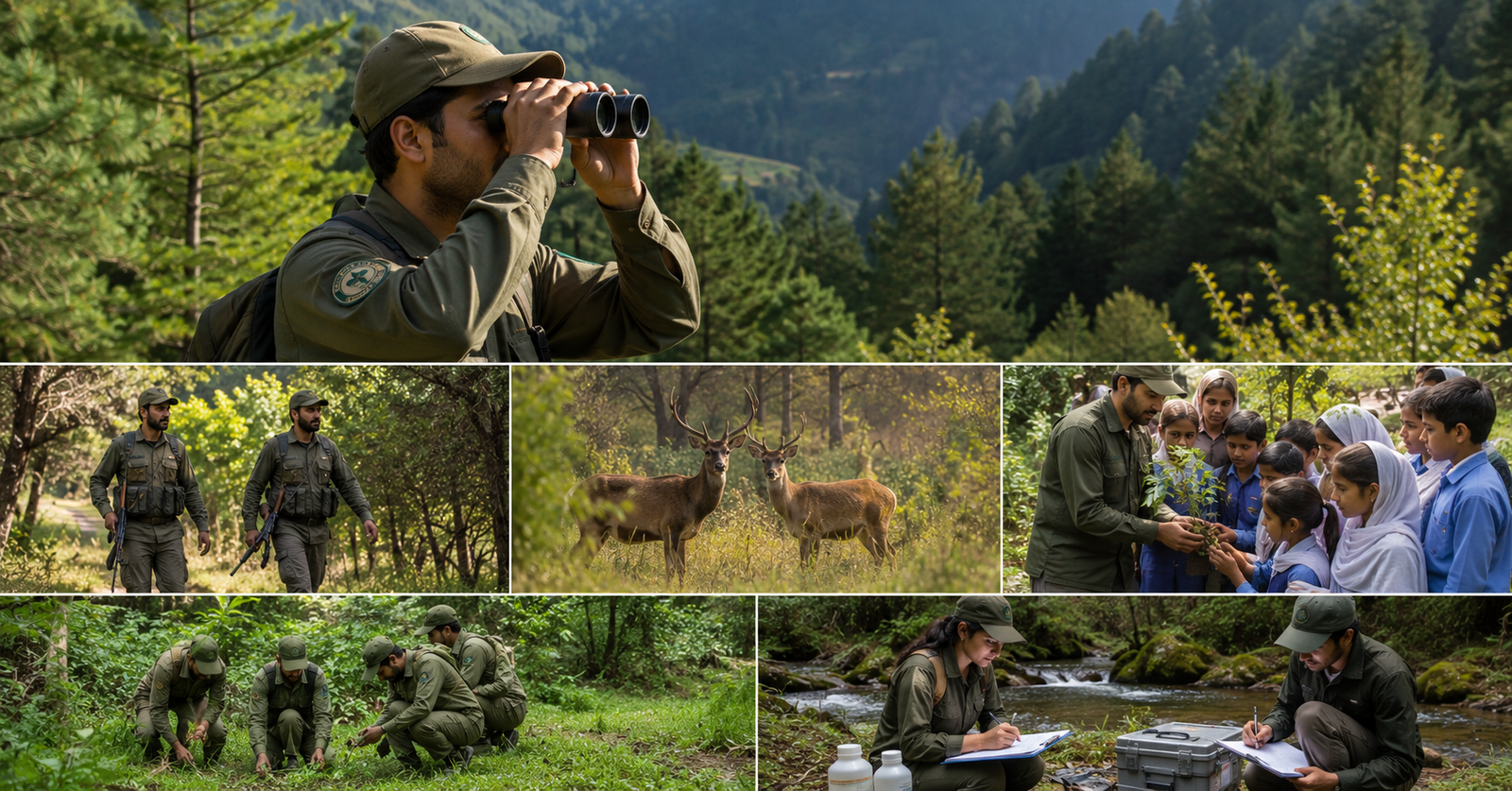
Wildlife Division Jobs 2026 – Complete Guide for Government Wildlife Career Opportunities
Introduction
Government jobs related to wildlife conservation and environmental protection are becoming increasingly important in Pakistan. As climate challenges, deforestation, and biodiversity concerns continue to grow, departments responsible for wildlife protection require skilled professionals who can support conservation efforts and maintain ecological balance. However, many job seekers are unaware of the available opportunities, eligibility requirements, and career growth options within wildlife departments.
The Wildlife Division Jobs 2026 offer an excellent opportunity for individuals interested in environmental conservation, forestry management, administration, and public sector careers. These positions are suitable for both fresh graduates and experienced candidates looking to work in a meaningful and stable government sector. In this detailed guide, you will learn everything about Wildlife Division jobs, including eligibility criteria, application procedures, job types, salary structure, benefits, preparation tips, and common mistakes to avoid. Whether you want to become a wildlife watcher, forest guard, field assistant, or administrative officer, this article will help you understand the process and prepare effectively for future opportunities.
Overview of Wildlife Division Jobs 2026
The Wildlife Division Jobs 2026 are government sector opportunities announced by provincial wildlife and forestry departments across Pakistan. These departments are responsible for protecting wildlife species, preserving forests, maintaining biodiversity, and implementing environmental laws.
Wildlife departments operate in different regions of the country, including national parks, wildlife sanctuaries, protected forests, and conservation zones. Employees in these departments contribute directly to environmental sustainability and public awareness campaigns.
The demand for wildlife professionals has increased in recent years because governments are investing more in eco-tourism, forest protection, and environmental management. As a result, recruitment opportunities have expanded for candidates with backgrounds in biology, zoology, forestry, environmental sciences, administration, and IT support.
These jobs are highly valued because they combine public service, environmental responsibility, and long-term career stability.
Key Highlights of Wildlife Division Jobs 2026
Here are some of the most important features of these government wildlife jobs:
- Sector: Government/Public Sector
- Department: Wildlife and Forestry Departments
- Job Type: Permanent and contract-based positions
- Locations: Various provinces and districts of Pakistan
- Education Levels: Matric to Master’s degree
- Selection Process: Written test and interview
- Work Environment: Office and field-based duties
Many positions also provide opportunities for outdoor fieldwork, which makes these jobs unique compared to traditional office-based government careers.
Types of Positions Available
Wildlife departments usually announce vacancies in multiple categories based on departmental needs.
Field and Conservation Roles
These positions involve direct interaction with wildlife habitats and conservation projects.
Wildlife Watcher
Wildlife watchers monitor animal activity, prevent illegal hunting, and report environmental violations.
Forest Guard
Forest guards help protect forests from illegal logging, fires, and environmental damage.
Field Assistant
Field assistants support research projects, surveys, and wildlife management activities.
Administrative and Technical Roles
Wildlife departments also require administrative and technical staff.
Junior Clerk
Responsible for office documentation, record management, and clerical duties.
Computer Operator
Handles digital records, data entry, and departmental software systems.
Driver and Support Staff
Support operational and transportation activities for field teams.
Scientific and Research Positions
Candidates with advanced education may apply for:
- Zoologist
- Environmental Scientist
- Forestry Officer
- Wildlife Research Assistant
These roles often involve research, data analysis, and conservation planning.
Eligibility Criteria and Requirements
Eligibility criteria vary according to the position, but most Wildlife Division jobs follow standard government recruitment guidelines.
Educational Qualifications
Different positions require different education levels:
- Matric or Intermediate for support staff
- Bachelor’s degree for administrative roles
- Master’s degree for scientific and research positions
Relevant educational fields include:
- Zoology
- Forestry
- Environmental Sciences
- Biology
- Computer Science
Age Limit
Most positions require candidates to be between:
- 18 to 30 years old
- Age relaxation may apply under government policies
Physical Fitness
Some field positions require:
- Good physical health
- Ability to work outdoors
- Field mobility and endurance
This is especially important for wildlife watchers and forest guards.
Domicile and Nationality
Applicants usually need:
- Pakistani nationality
- Relevant provincial or district domicile
Always review the official advertisement carefully for exact requirements.
Step-by-Step Application Process
Applying for Wildlife Division Jobs 2026 requires careful attention to detail.
Step 1: Check Official Advertisement
Visit official wildlife department websites or trusted government job portals to review vacancies.
Step 2: Prepare Required Documents
Commonly required documents include:
- CNIC copy
- Educational certificates
- Domicile certificate
- Passport-size photographs
Step 3: Fill Out Application Form
Applications may be submitted online or manually depending on the recruitment process.
Ensure that:
- Information is accurate
- Contact details are correct
- Documents are properly attached
Step 4: Submit Before Deadline
Late applications are usually not accepted.
Step 5: Prepare for Recruitment Test
Start preparing immediately after submission.
Step 6: Attend Interview
Shortlisted candidates are invited for interviews and skill evaluations.
Selection Process Explained
Wildlife departments generally follow a transparent recruitment process.
Written Test
The test may include:
- General knowledge
- English language
- Current affairs
- Basic environmental science
For technical positions, subject-specific questions may also appear.
Physical Test (if applicable)
Field-based jobs may require:
- Physical fitness assessment
- Walking/running evaluation
Interview
Interview panels assess:
- Communication skills
- Confidence
- Technical understanding
- Interest in conservation work
Final merit lists are prepared based on overall performance.
Salary, Benefits, and Career Growth
One of the biggest attractions of Wildlife Division jobs is the combination of stability and public service.
Salary Structure
Salaries vary according to pay scale and position, but government employees generally receive:
- Monthly salary packages
- Annual increments
- Allowances
Employee Benefits
Wildlife department employees may receive:
- Medical facilities
- Pension plans
- Paid leaves
- Government accommodation (in some cases)
Career Growth Opportunities
Employees can progress through:
- Departmental promotions
- Specialized training programs
- Senior conservation and management roles
Long-term growth opportunities make these jobs attractive for young professionals.
Skills Required for Wildlife Jobs
Success in wildlife careers depends on a combination of technical and personal skills.
Important Skills Include:
- Observation and reporting ability
- Communication skills
- Environmental awareness
- Teamwork and adaptability
- Basic computer knowledge
Field positions also require patience, discipline, and willingness to work in remote areas.
Preparation Tips for Tests and Interviews
Study Environmental Topics
Read basic information about:
- Wildlife conservation
- Forest management
- Environmental protection laws
Improve General Knowledge
Stay updated with:
- Pakistan current affairs
- Government environmental initiatives
- Climate-related issues
Practice Communication Skills
Interviews often evaluate confidence and clarity.
Focus on Physical Fitness
Candidates applying for field positions should maintain physical readiness.
Common Mistakes to Avoid
Incomplete Applications
Missing documents can lead to rejection.
Ignoring Eligibility Criteria
Always verify age, education, and domicile requirements.
Poor Test Preparation
Many applicants underestimate the written test.
Missing Deadlines
Government recruitment schedules are strict.
Providing Incorrect Information
False details may lead to disqualification.
Avoiding these mistakes improves your chances significantly.
Also Read: Elementary and Secondary Education Foundation, Khyber Pakhtunkhwa 2026 – Complete Guide
FAQs
1. Are Wildlife Division jobs government jobs?
Yes, these are government sector positions under provincial wildlife departments.
2. Can fresh graduates apply?
Yes, many entry-level positions are open to fresh candidates.
3. Is physical fitness important?
Yes, especially for field-based positions like wildlife watcher and forest guard.
4. What qualifications are required?
Requirements vary from Matric to Master’s degree depending on the role.
5. Where can I apply?
Applications are submitted through official wildlife department websites or government job portals.
Final Thoughts
The Wildlife Division Jobs 2026 provide meaningful career opportunities for individuals who want to contribute to environmental conservation while enjoying the benefits of government employment. These jobs offer stability, career growth, and the chance to work in an important public service sector dedicated to protecting Pakistan’s natural resources.
Candidates who prepare carefully, understand the recruitment process, and focus on improving their skills can increase their chances of success. Whether your interest lies in fieldwork, research, administration, or environmental protection, wildlife departments offer diverse opportunities for professional development.
As environmental awareness continues to grow, careers in wildlife conservation are expected to become even more valuable in the future.