
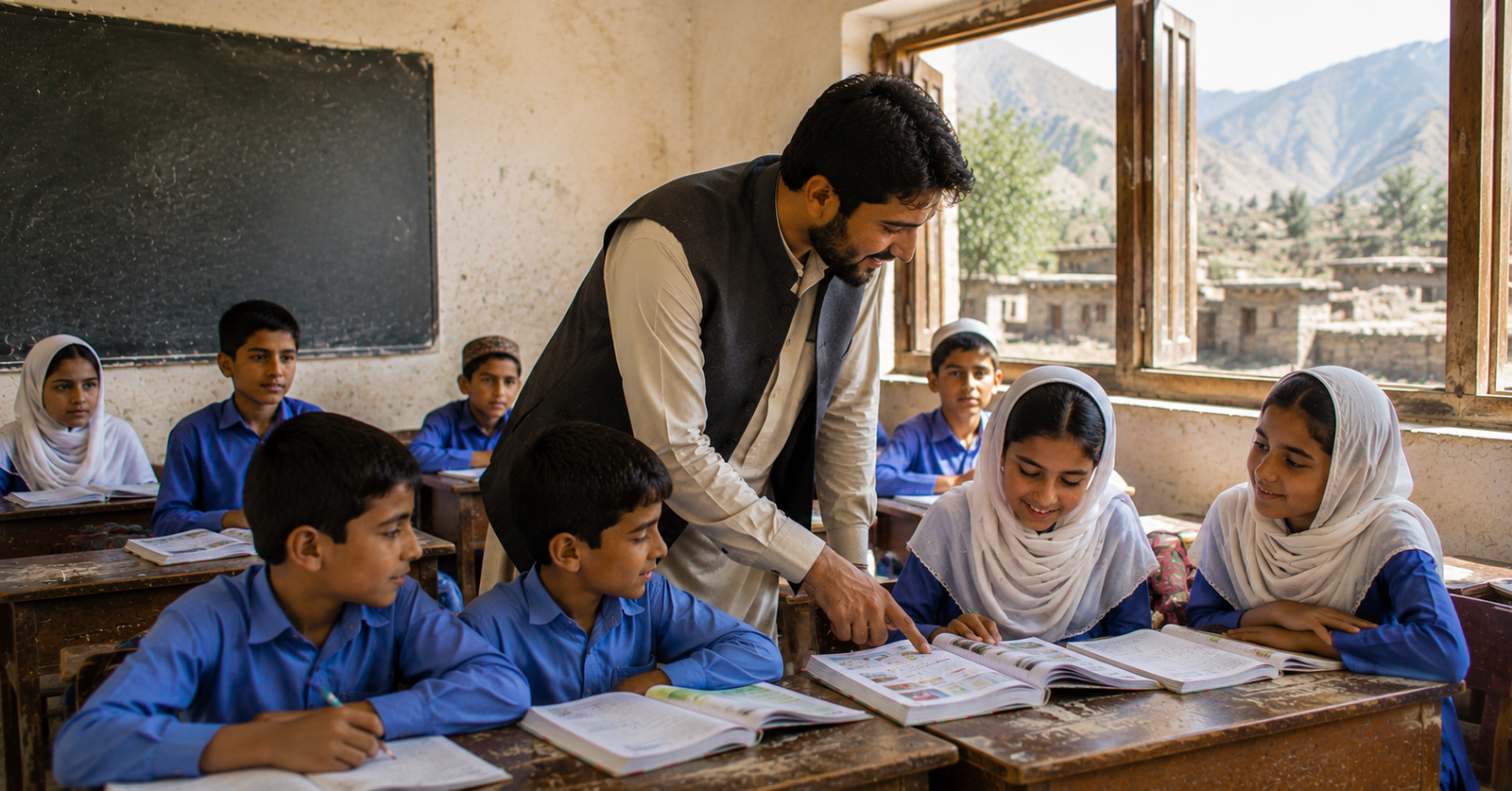
Elementary and Secondary Education Foundation, Khyber Pakhtunkhwa 2026 – Complete Guide
Introduction
Access to quality education remains one of the most important challenges in developing regions, especially in rural and underserved communities. In Khyber Pakhtunkhwa (KP), Pakistan, thousands of children still face barriers such as lack of schools, trained teachers, and financial constraints. To address these issues, the Elementary and Secondary Education Foundation (ESEF) plays a crucial role in expanding educational opportunities.
This article provides a comprehensive, up-to-date guide on the Elementary and Secondary Education Foundation, Khyber Pakhtunkhwa – 2026, covering its structure, programs, benefits, and how individuals and organizations can engage with it. Whether you are a student, parent, teacher, or education entrepreneur, this guide will help you understand how ESEF works and how it contributes to improving education in KP.
By the end of this article, you will learn about ESEF’s initiatives, eligibility criteria, application processes, and practical tips to benefit from its programs.
Overview of Elementary and Secondary Education Foundation KP
The Elementary and Secondary Education Foundation (ESEF) is a government-backed organization in Khyber Pakhtunkhwa that focuses on improving access to education through partnerships with private sector institutions and individuals.
Established with the goal of bridging the education gap, ESEF primarily supports:
- Low-cost private schools
- Community-based schooling initiatives
- Public-private partnerships
- Educational entrepreneurship
The foundation operates under the Elementary & Secondary Education Department of KP and is dedicated to increasing enrollment, especially in remote and marginalized areas.
In 2026, ESEF continues to expand its outreach with improved policies, digital processes, and greater transparency, making it more accessible to both educators and students.
Key Highlights for 2026
The year 2026 brings several improvements and updates to ESEF programs:
- Increased funding for partner schools
- Expanded coverage in rural districts
- Digitized application and monitoring systems
- Enhanced teacher training initiatives
- Focus on girls’ education and inclusivity
These updates reflect the government’s commitment to ensuring that education reaches every child in KP.
Mission and Objectives
Core Mission
The primary mission of ESEF is to provide quality education to underserved communities through sustainable and innovative partnerships.
Key Objectives
- Improve access to primary and secondary education
- Encourage private sector participation in education
- Reduce dropout rates
- Promote gender equality in education
- Enhance teaching quality through training programs
ESEF aims not only to increase enrollment but also to ensure that students receive meaningful and quality education.
Major Programs and Initiatives
1. New Schools Program (NSP)
This program allows individuals or organizations to establish schools in underserved areas with financial support from ESEF.
Key Features:
- Monthly per-student funding
- Support for operational costs
- Monitoring and evaluation
2. Education Support Scheme (ESS)
ESS focuses on supporting existing private schools by providing subsidies to students.
Highlights:
- Financial assistance for students
- Encouragement for private institutions
- Improved affordability
3. Girls Community Schools (GCS)
This initiative promotes girls’ education in rural areas where female enrollment is low.
Benefits:
- Increased access for girls
- Female teacher recruitment
- Community involvement
4. Public-Private Partnership (PPP) Programs
ESEF collaborates with private partners to manage and improve public schools.
Advantages:
- Better school management
- Improved infrastructure
- Accountability and performance tracking
Step-by-Step Guide to Apply
Step 1: Visit Official Website
Start by visiting the official ESEF KP website for the latest announcements and application forms.
Step 2: Choose Relevant Program
Select the program that fits your needs:
- New school setup
- School partnership
- Student support
Step 3: Prepare Required Documents
Typical documents include:
- CNIC copy
- Educational certificates
- Proof of location
- School infrastructure details
Step 4: Submit Application
Applications can usually be submitted online or through designated offices.
Step 5: Verification Process
ESEF conducts inspections and evaluations to ensure eligibility.
Step 6: Approval and Funding
Once approved, funding and support are provided according to program guidelines.
Benefits of ESEF Programs
ESEF offers multiple benefits for different stakeholders:
For Students
- Access to affordable education
- Improved learning environment
- Increased enrollment opportunities
For Teachers
- Employment opportunities
- Professional development training
- Stable income support
For Entrepreneurs
- Opportunity to run schools
- Government-backed funding
- Community impact
For Communities
- Increased literacy rates
- Economic development
- Social upliftment
Eligibility Requirements
Eligibility varies depending on the program but generally includes:
For School Operators
- Minimum education qualification
- Suitable school location
- Basic infrastructure
For Students
- Belonging to low-income families
- Residence in target areas
- Enrollment in partner schools
For Teachers
- Relevant academic qualifications
- Commitment to teaching in rural areas
Expert Tips for Applicants
To improve your chances of success:
- Choose underserved areas for school proposals
- Ensure proper documentation before applying
- Maintain transparency in all submissions
- Focus on quality education standards
- Stay updated with official announcements
Consistency and attention to detail can significantly increase your approval chances.
Common Mistakes to Avoid
Many applicants face rejection due to avoidable errors:
- Incomplete application forms
- Incorrect or outdated documents
- Poor school infrastructure planning
- عدم compliance with guidelines
- Lack of community engagement
Avoiding these mistakes can save time and improve your chances of approval.
Also Read: Peshawar High Court D.I Khan Bench Jobs 2026 – Complete Guide for Applicants
FAQs
1. What is the main purpose of ESEF KP?
ESEF aims to improve access to quality education in underserved areas through partnerships and financial support.
2. Can individuals open a school under ESEF?
Yes, individuals can apply under programs like the New Schools Program if they meet eligibility criteria.
3. Is there financial support for students?
Yes, ESEF provides subsidies and support through various programs like ESS.
4. How long does the application process take?
The process varies but typically includes submission, verification, and approval stages.
5. Are rural areas prioritized?
Yes, most ESEF programs focus on rural and underserved regions.
Final Thoughts
The Elementary and Secondary Education Foundation, Khyber Pakhtunkhwa, continues to play a vital role in transforming the educational landscape of the province. With its focus on accessibility, affordability, and quality, ESEF has created meaningful opportunities for students, teachers, and education entrepreneurs.
In 2026, the foundation’s expanded programs and improved systems make it easier than ever to participate and benefit. Whether you aim to start a school, support education in your community, or secure better learning opportunities for students, ESEF provides a structured and impactful platform.
Understanding the application process, eligibility criteria, and best practices can help you make the most of these opportunities while contributing to the broader goal of educational development in KP.